Building production AI agent systems and backend infrastructure.
About Michael
I'm a pragmatic problem-solver focused on shipping solutions that work. I ship quickly but not recklessly—I follow best practices, document as I go, and dig into optimization when deadlines allow. When I join a team, I immediately map out how to run the codebase, its structure, and where things live, then document it with AI-optimized subject matter trees so future developers don't have to figure it out from scratch.
I started this practice when learning Go in 2024 with Claude, building ModulaCMS—a production-grade headless CMS with concurrent server architecture. To deepen my computer science skills, I developed a data structure learning system that generates practical problems and progressively combines structures based on familiarity. Building this taught me advanced prompt engineering, self-healing workflows, and output validation. I applied these skills at Bonsai, creating a multi-agent orchestration system that generates production code and enables contractor teams to work independently. While I'm full-stack, my passion is backend work—designing APIs, building concurrent systems, and solving architectural challenges.
Outside of code, I'm into rock climbing, producing music, and loving my cats—one of whom has self-appointed herself executive code reviewer and has claimed the spot by my monitor as her office. Before development, I was a recording engineer. Working with bands and artists taught me how to collaborate creatively with different types of people, break down complicated tech into easy to understand language, and distill a creative vision into a technical solution. These skills translate directly to collaborating with designers and product teams today. I work best in environments that value initiative, technical depth, and pragmatic execution.
Claude's WebFetch sends entire raw HTML as input tokens, including every ad and navigation menu. A 100KB documentation page costs 25,000 tokens before Claude reads a word. I built a tool that cleans the HTML locally first, saving 96% of tokens and potentially $43K/month for mid-sized teams.
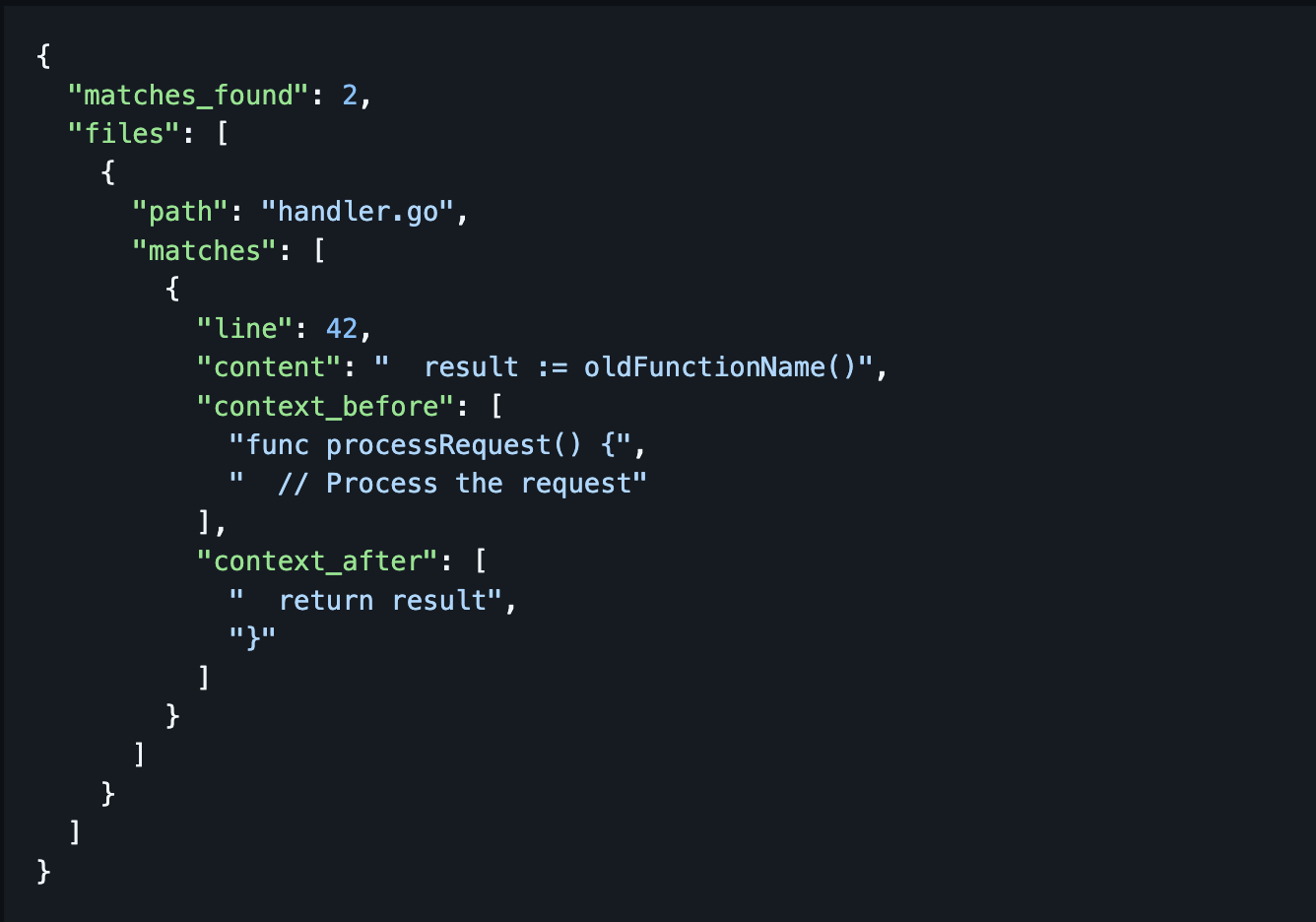
I watched Claude flash three huge blocks of grep output during a refactor. All that formatting designed for humans, and Claude was paying tokens for colors it can't see. I built a search tool optimized for AI, 4.4x fewer tokens.
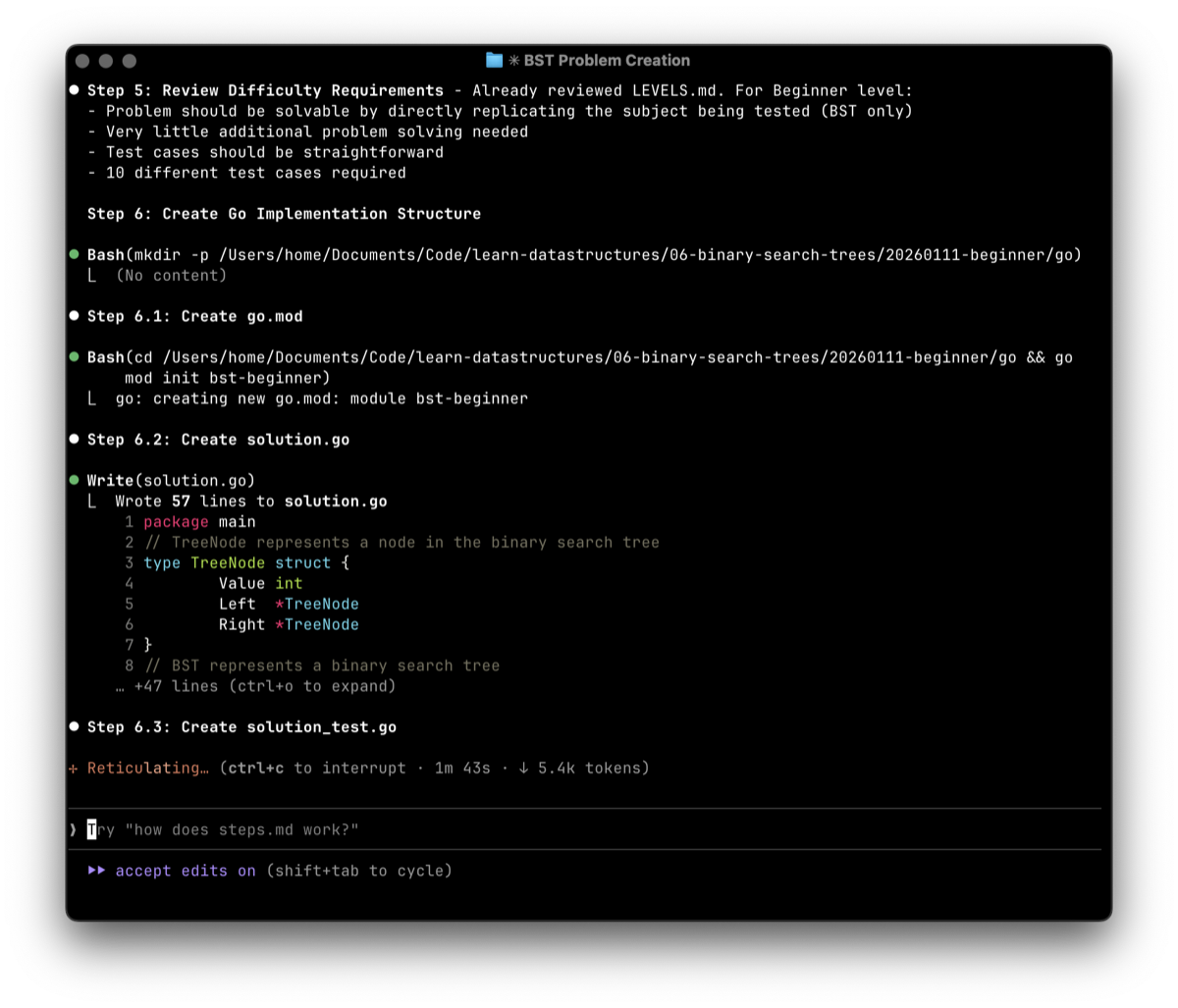
Claude kept skipping the npm install step, causing a 30% failure rate on automated problem generation. I tried rewording the instruction, making it more explicit, but nothing worked. Then I realized I needed to ask Claude to confirm it did the step, not just do it, and that changed everything.